
The process · Apollonia
Reconstruction grounded in research.
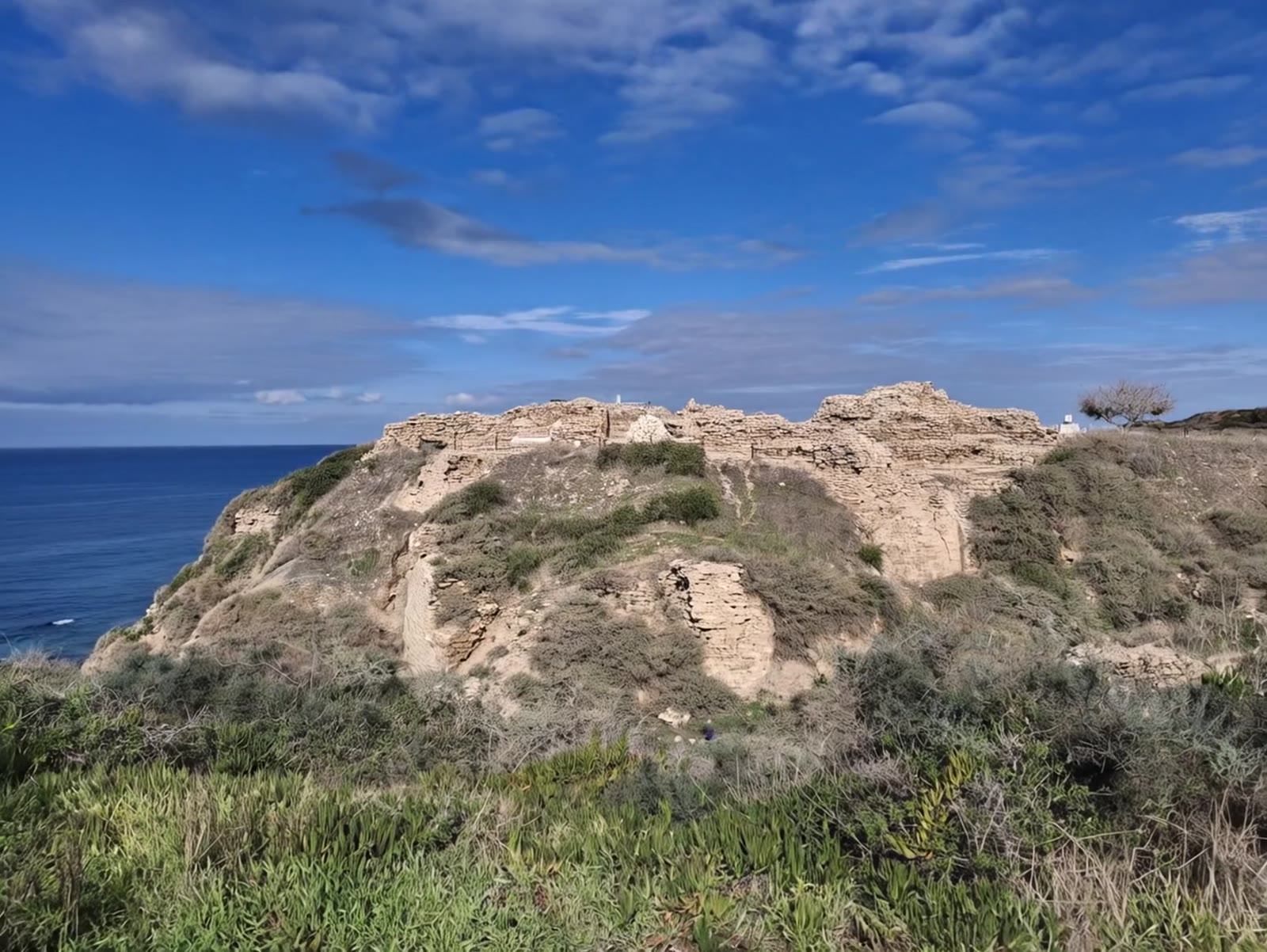
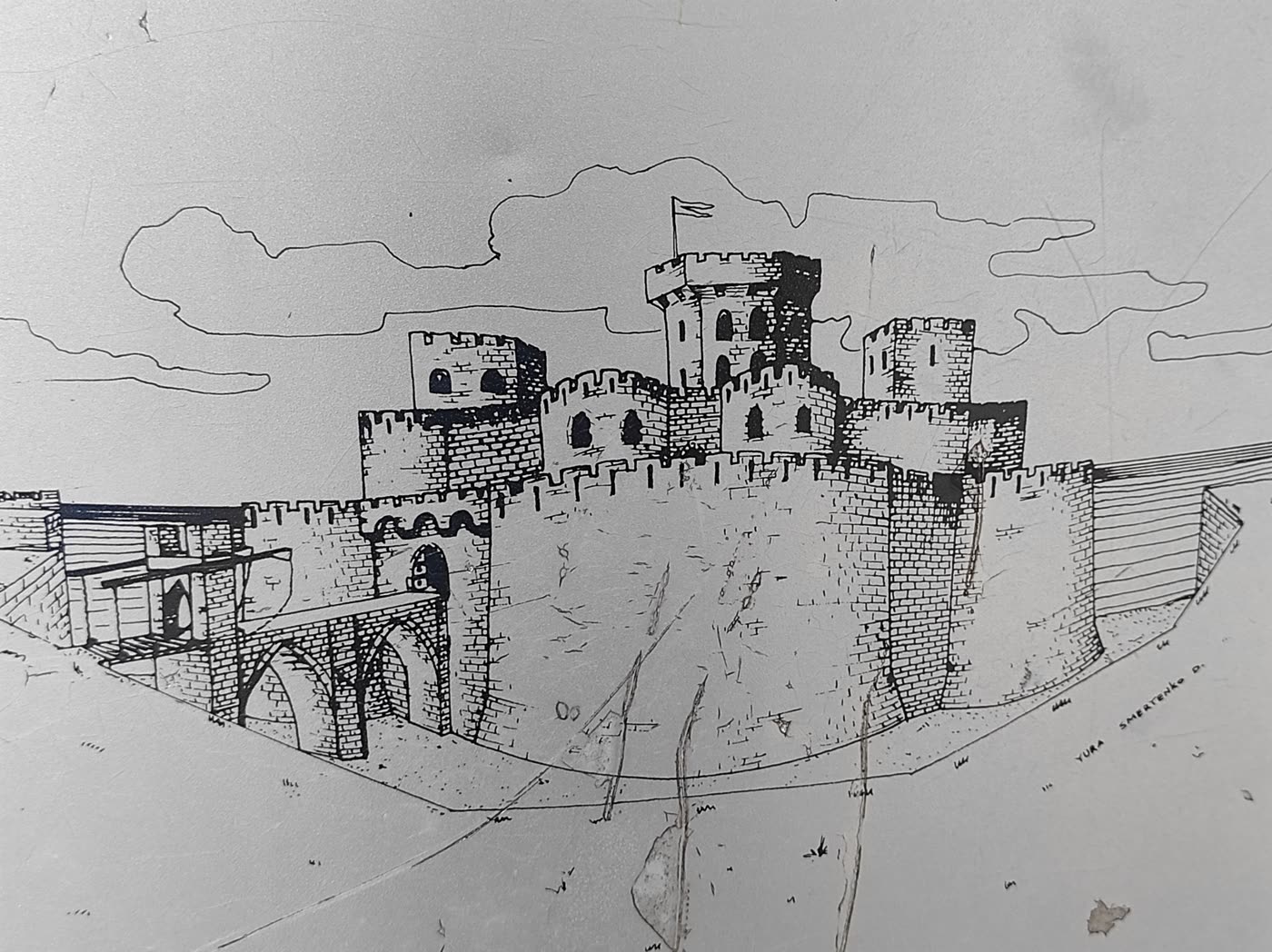
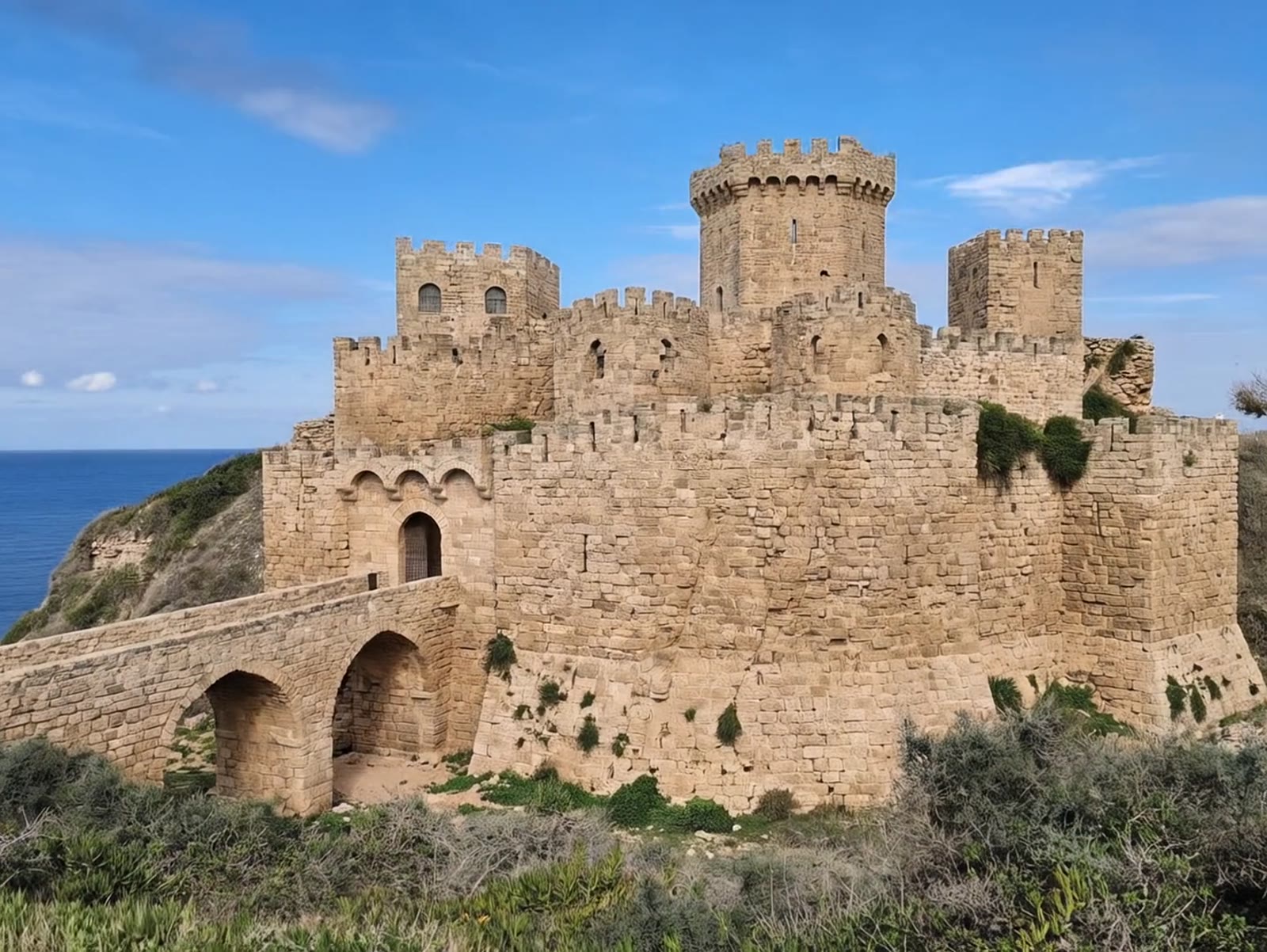
ReconstructionApollonia · Crusader fortress
On site
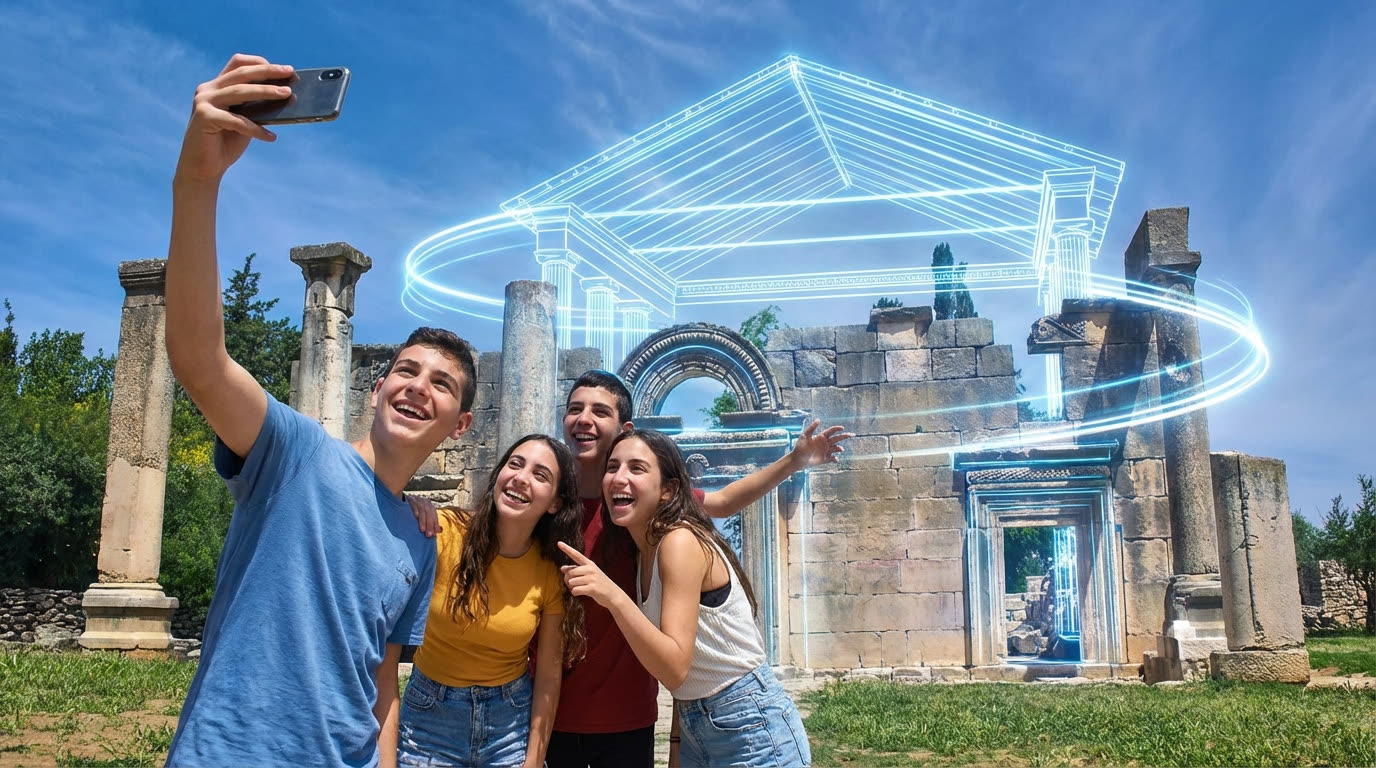
Connecting Gen Z to historical sites.
A light, short and accurate viewing experience that connects children and teens to the site, extends dwell time and makes history accessible in a language they relate to.
VisualizationContent matched to points around the site
About the solution
We bring historical sites to life and create a journey through time on the site itself — from daily life to the wars — along routes that pass every point of interest.
We build the reconstruction from the finds, the plans and existing research, together with archaeologists. Anything without direct documentation is labeled as hypothesis — because a convincing reconstruction of something that never existed is worse than no reconstruction at all.
For
Archaeological sites, national parks and museums.
What you get
- Research-based visual reconstruction
- A “today / as it was” transition
- Loops for on-site screens and social media
- Clear labeling of hypotheses
How it works
- 01Gathering finds and plans
- 02Working with an archaeologist
- 03Building the reconstruction
- 04Approval and delivery
In detail
What can be reconstructed
Buildings and sites — what walls, gates and houses looked like in different periods. Daily life — markets, crafts, clothing and ceremonies. And events — battles, sieges and defining moments, right where they happened.
Where it's shown
At the site entrance, at stops along the visitor route with Urban HistorAI, on the visitor's phone facing the ruins, in the visitor center, in the museum and on the website.
From reconstruction research
Masada
A reconstruction of Masada — from the studio's internal reconstruction research.
FAQ
Who do you work with?
With archaeologists and researchers — appointed by the site or by us. They see the reconstruction at every stage and approve it.
What happens when there isn't enough information?
We label that part as hypothesis, and we don't fill the gaps with imagination.
What once stood on your site?
Tell us about the site, and we'll suggest how to reconstruct it.