
Our methodResearch comes
before every frame.
Before a single image is made, we know what the room looked like, what stood on the shelves and what people wore. Every detail in the frame rests on photographs, documents and expert review.
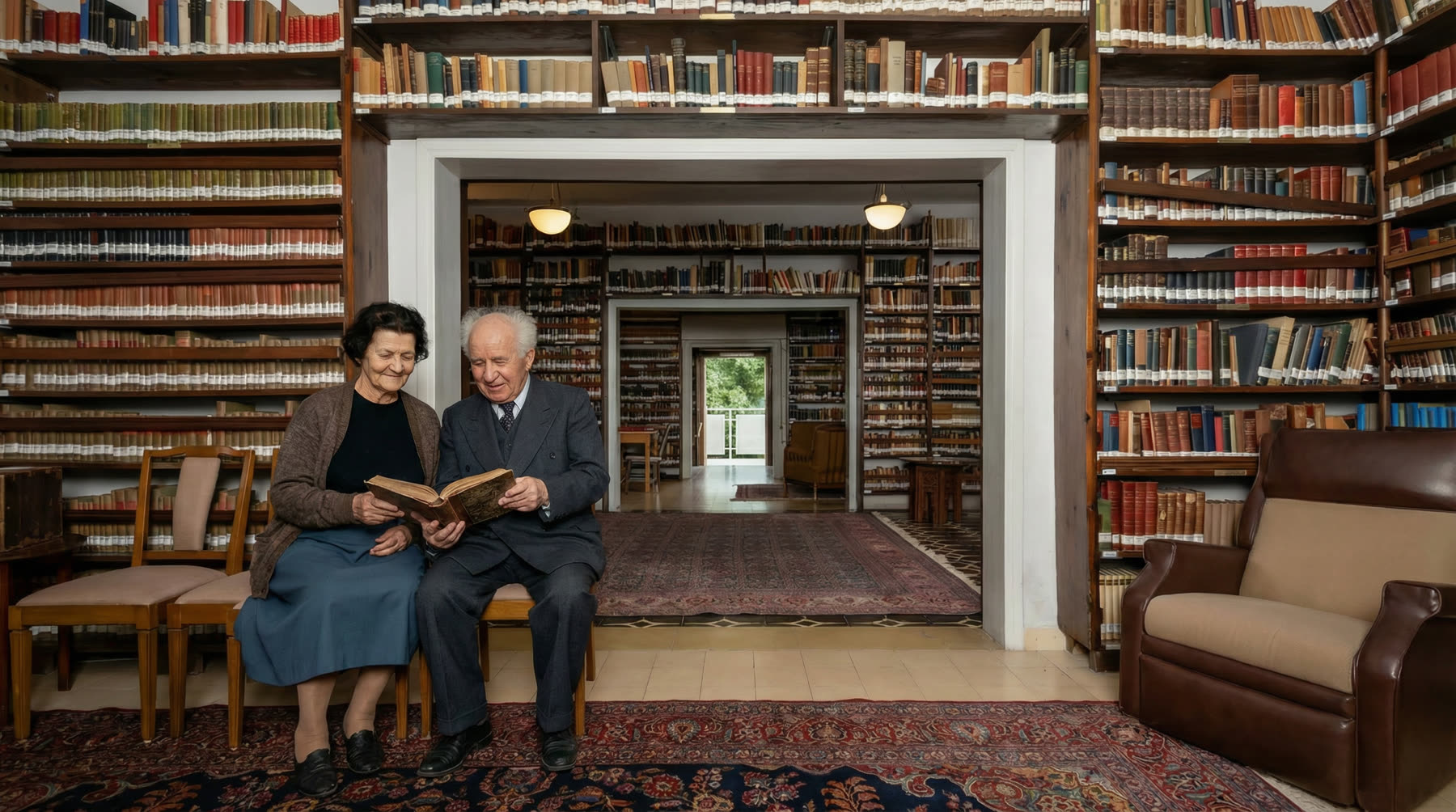
AI reconstructionDavid and Paula Ben-Gurion in their library
Seven stages.
Our creative and research teams, together at every one.
Technology is the engine. Academic expertise is the driver.
Archival mapping
We build a timeline and map everything that exists: photographs, documents, finds and testimonies. We start from what is known, not from what looks good.
Output: timeline and source map
Approved mood board
Historians set the period context: clothing, architecture, objects and light. This is the reference every later stage is checked against.
Output: mood board
Expert sign-offResearch-based script
The story is written from the research. Every scene carries a reference to the source it relies on.
Output: script
Expert sign-offDesign in a closed environment
Characters and locations are built in a closed AI environment (a “sandbox”) fed only with verified archival material. What is approved here becomes a binding reference.
Output: design sheets
Storyboard review
A historian goes through the storyboard frame by frame, so the film doesn't drift from the sources before animation begins.
Output: storyboard
Expert sign-offAnimation
Rendering that keeps the visual language of the period. For Heroines, for example, we researched the frame rate, grain and scratches of 1940s film projection. Then post-production.
Output: work-in-progress cut
Final curatorial review
The curator or historian formally signs off on the film. Only then is it delivered, in every version needed: for the exhibition, the website and social media.
Output: final files
Final sign-off
What it means in practice
Locked design
Characters and locations are approved once and become a binding reference. Every later frame is checked against them — proportions, clothing, architecture and light — and whatever doesn't pass is rebuilt.
Licensed content only
We only feed the tools material we have the right to use: the client's material, licensed archives and content we created ourselves.
A real example — The Letter
In the historical review of our film about Chaim Weizmann, details were corrected such as how acetone production was described and where he received his doctorate — Fribourg, not Berlin. These are exactly the errors the process is designed to catch.
100% curator control
We don't distort, we enhance. Every AI-generated asset goes through the curator or historian, and nothing enters the film without their approval. That way the institution remains the custodian of historical truth.
A real example · The Letter, scene 4
From source
to frame.
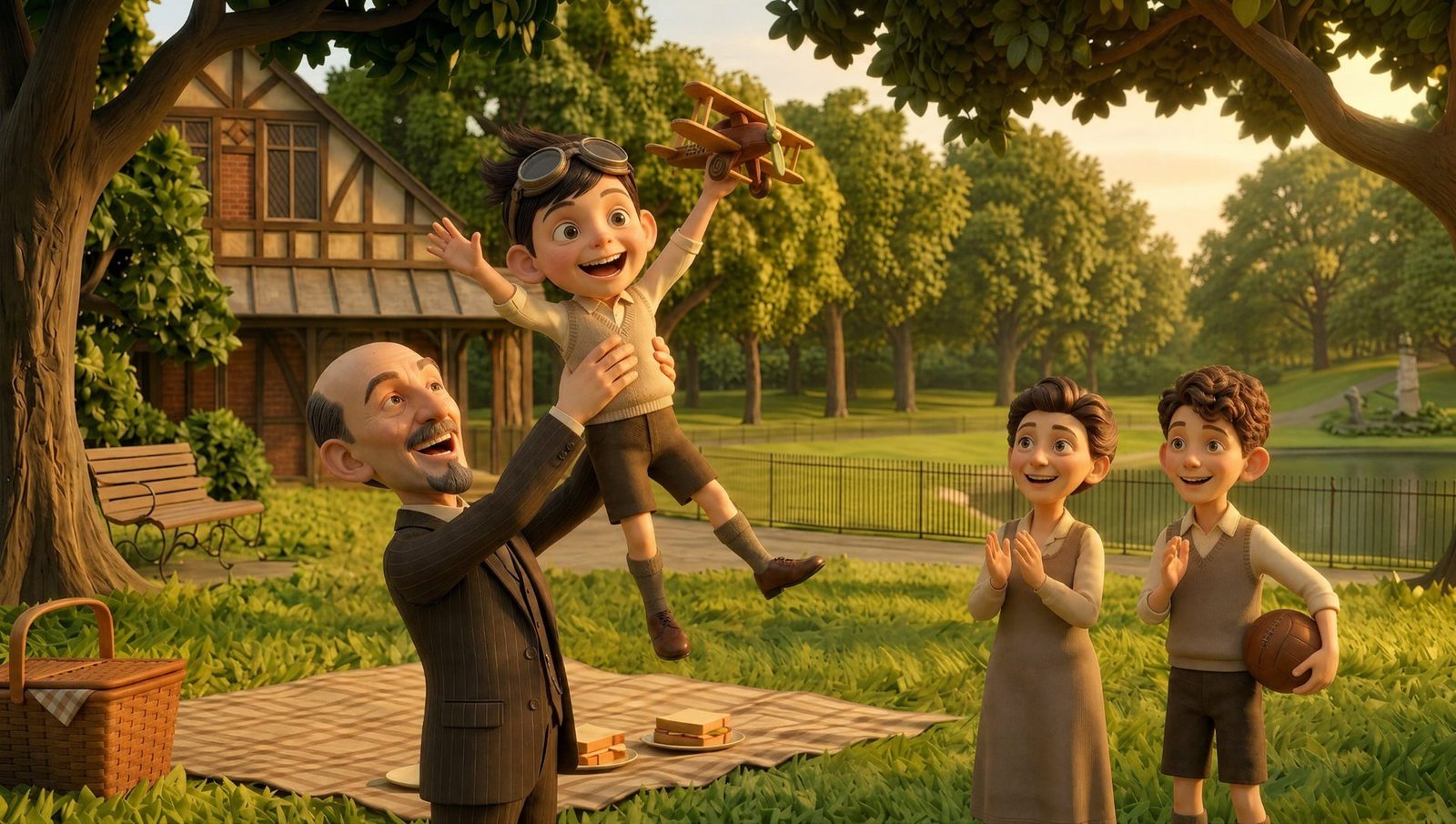
London, 1922: Chaim, Vera and the children in the park. Every character, object and place in the scene was designed from approved archival material (stage 2), built in a closed environment (stage 4), and only became a frame after sign-off.
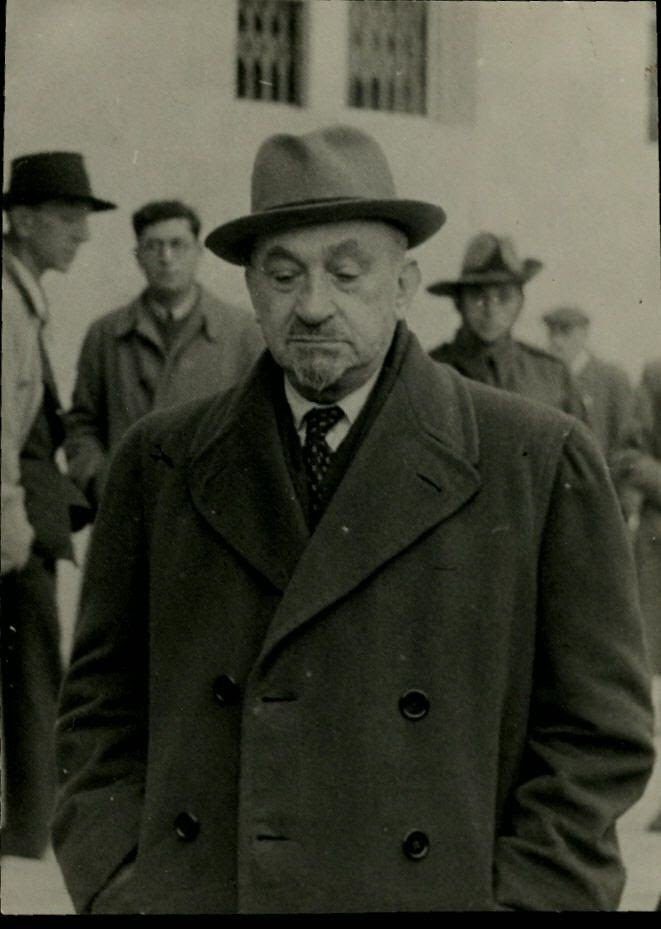 Source
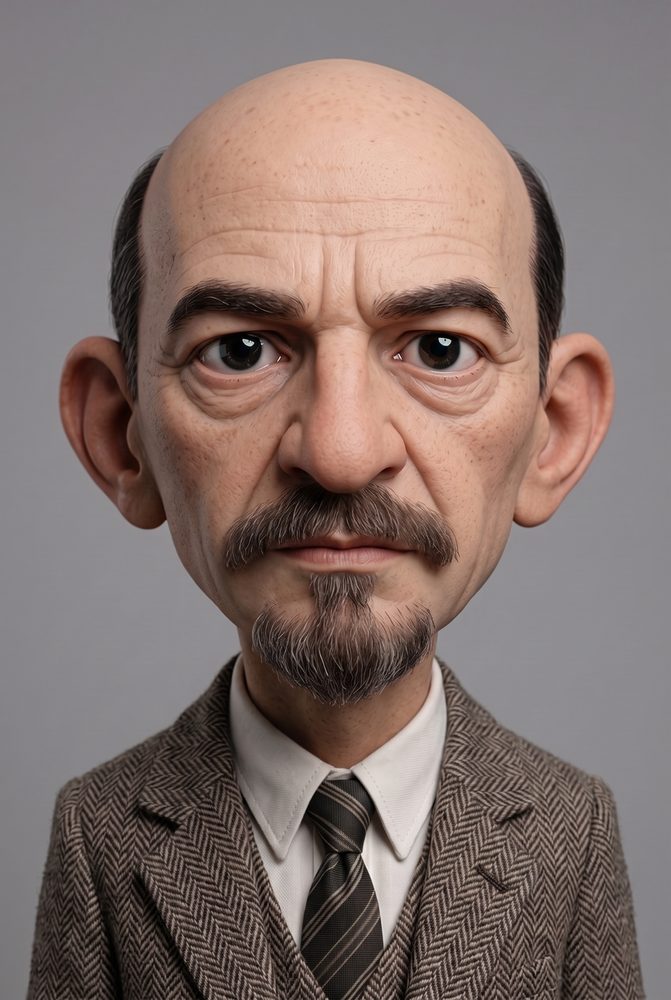 Design
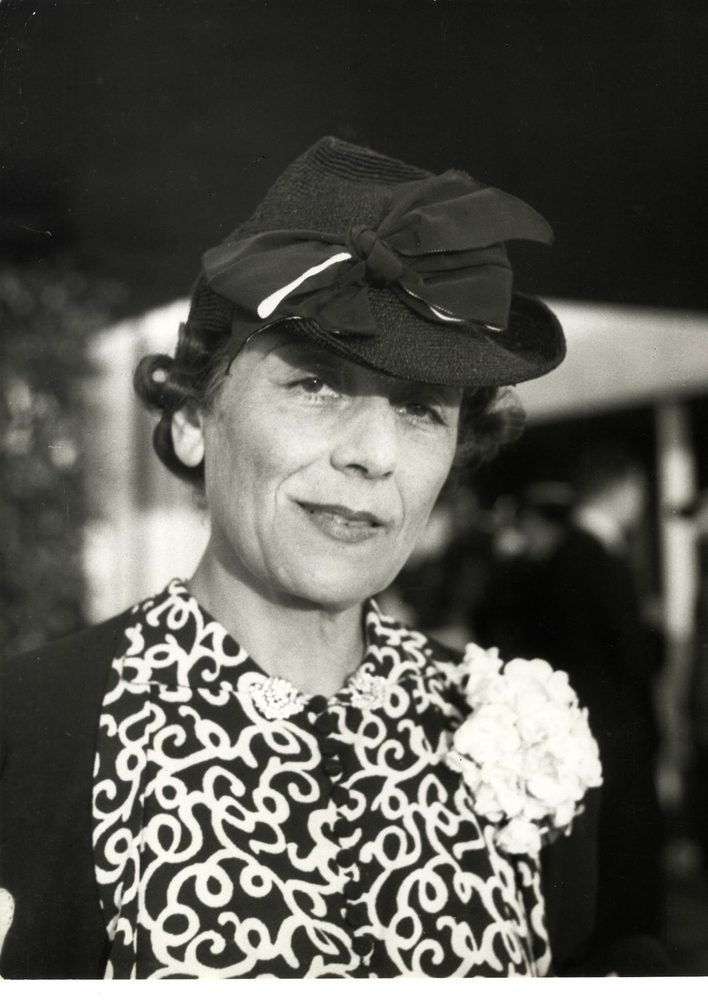 Source
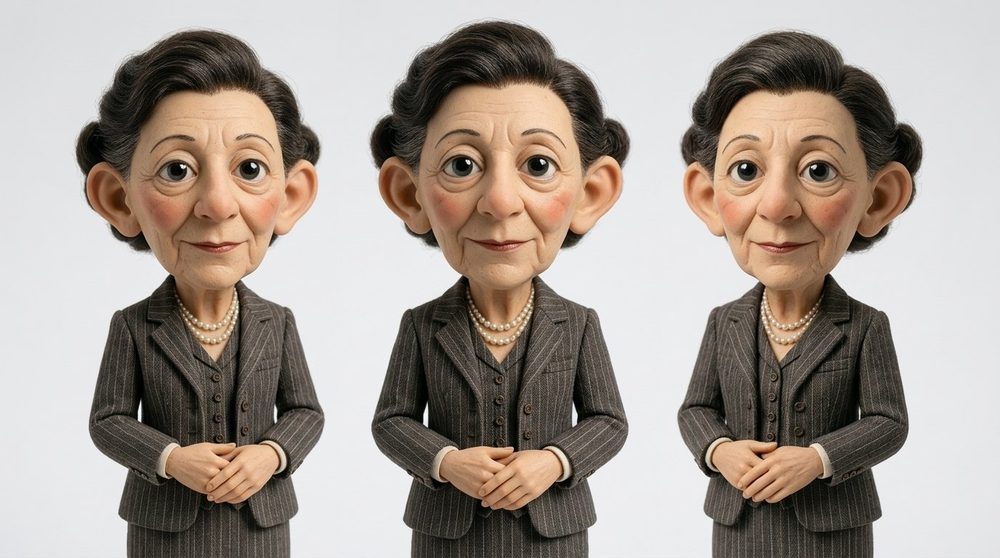 Design
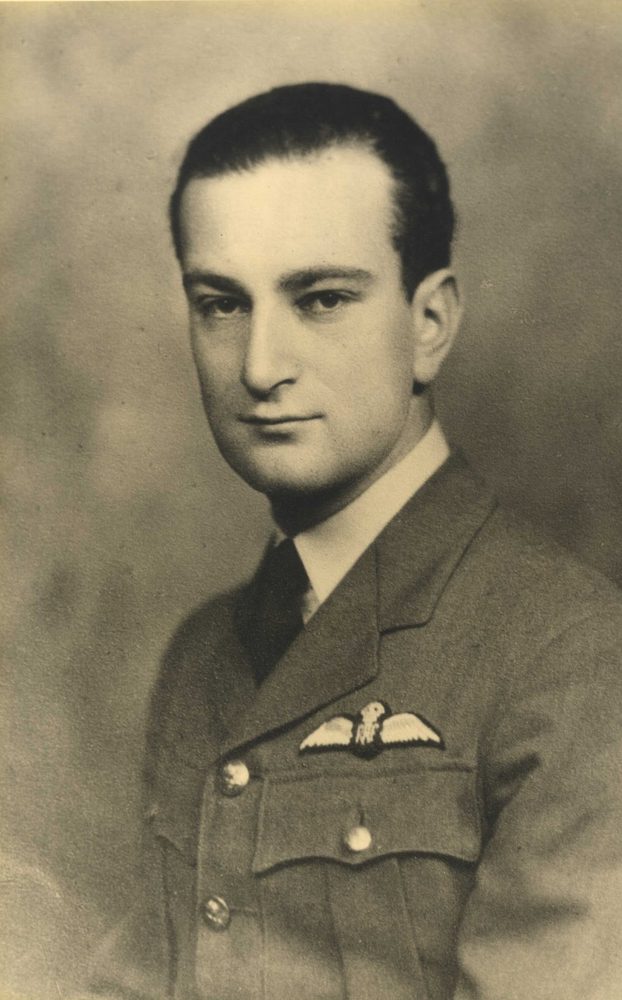 Source
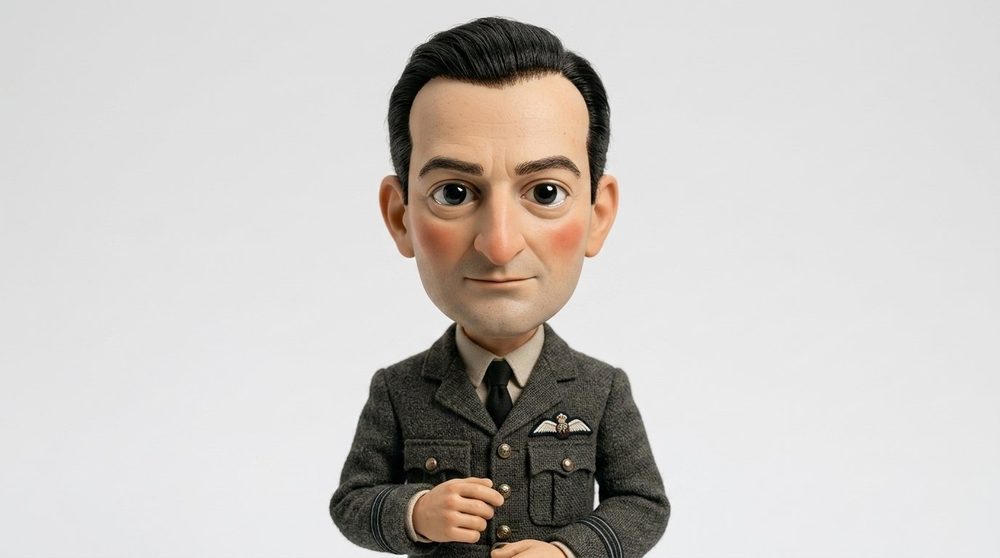 Design
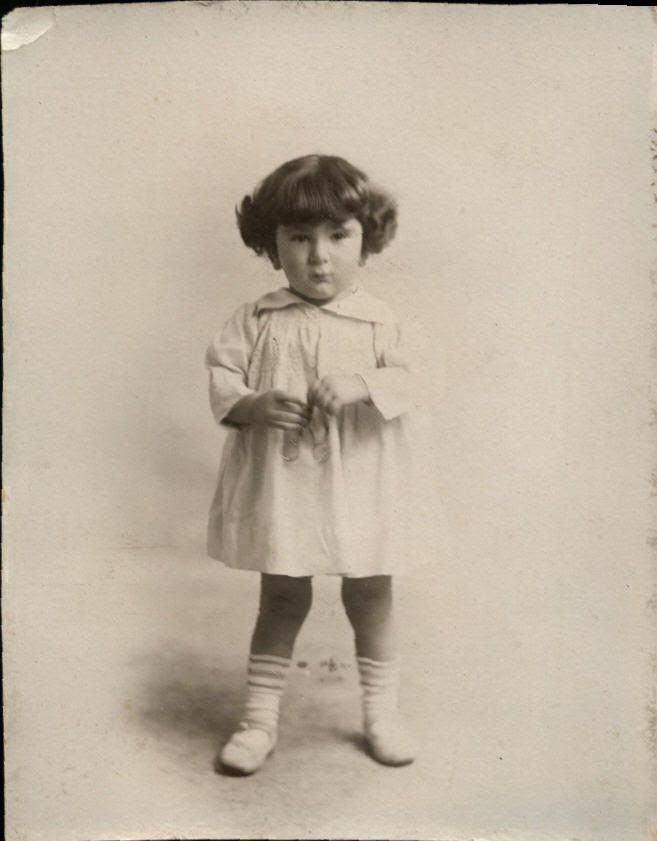 Source
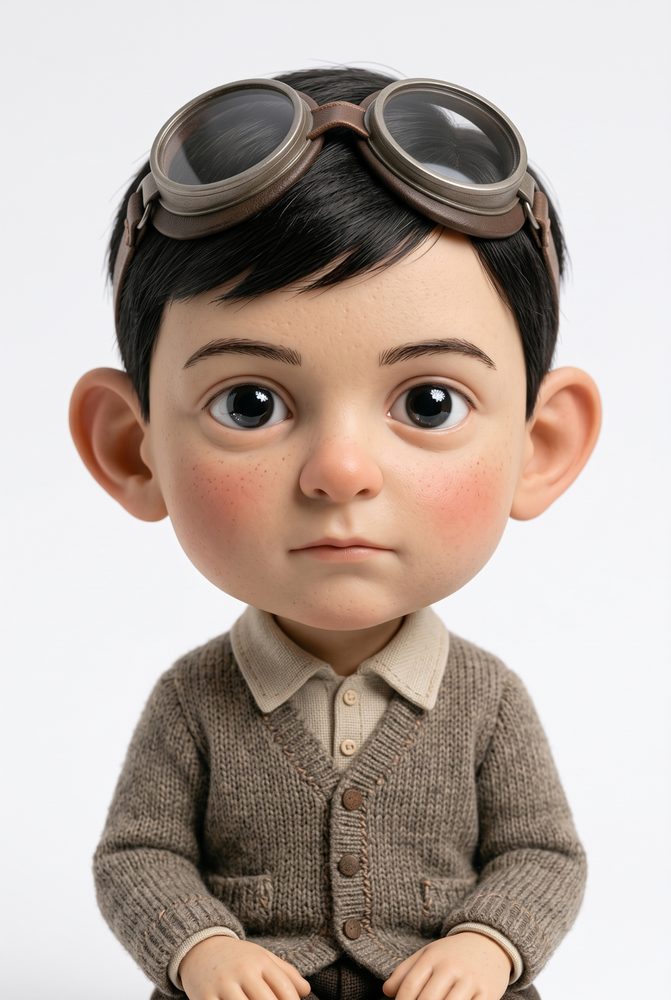 Design
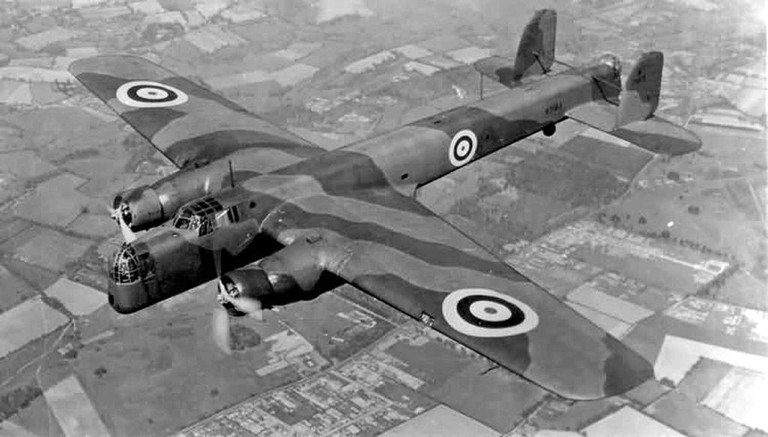 Source
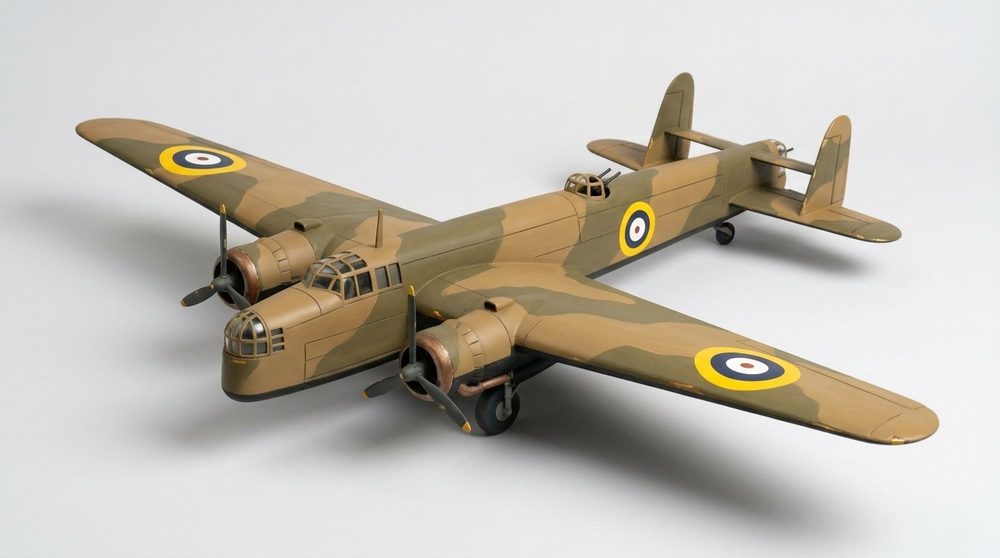 Design
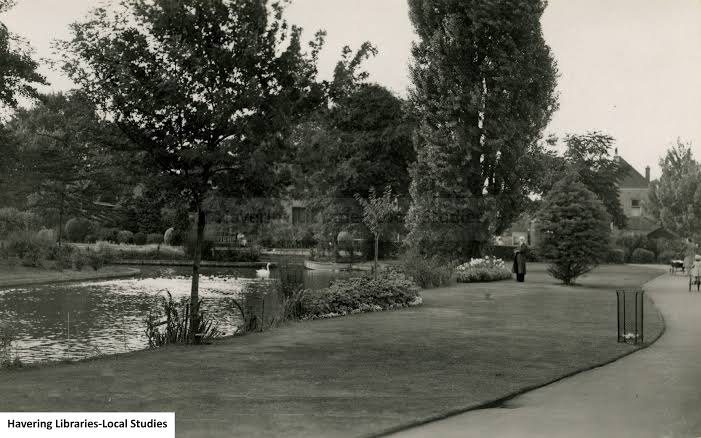 Source
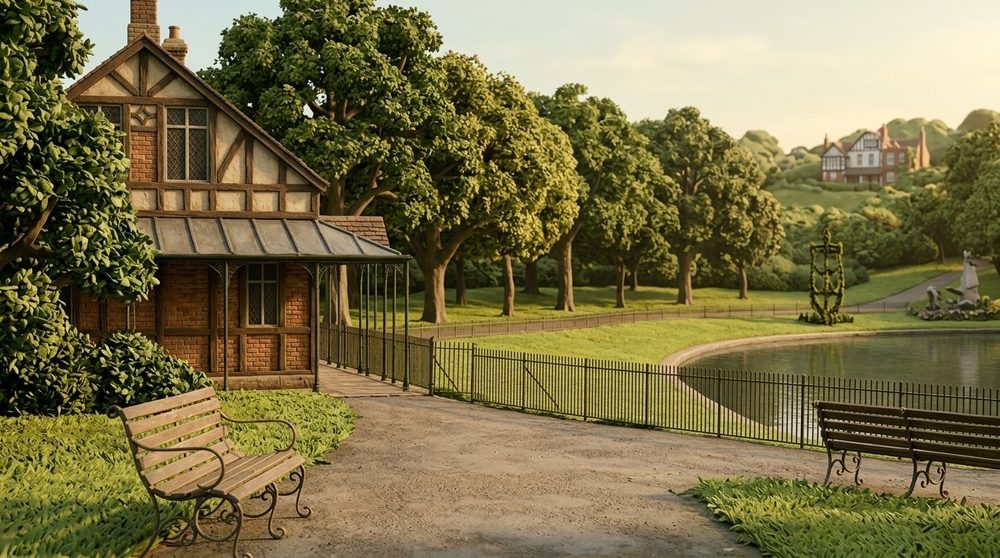 Design
Principles behind every project
Licensed content only
Every piece of material we use — with rights.
Ethics and regulation
Working in line with theEU AI Act.
Partnership with experts
Historians and curators all the way through, not just at the end.
Closed environment
Our tools are fed only verified archival material, never open datasets.
Want to see it in practice?
We'd be glad to show you what a real project's source file looks like.